Broadening the scope
By José Carlos Matias
Macau Business magazine l May 2026
Over 100 protocols, high-level meetings, business forums, and the expansion of the city’s platform role from Lusophone to Spanish-speaking countries. These are the main takeaways of Sam Hou Fai’s visit to the Iberian Peninsula. The next step: following through
It was Sam Hou Fai’s maiden overseas trip since taking office as Macau Chief Executive in late 2024. And it was no ordinary mission: a four-leg, week-long European tour – from 18 ro 25 April -with stops in Lisbon, Madrid, Geneva, and Brussels.
The first stop in Lisbon carried the greatest political weight. It has been a long-established tradition since the early days of the Macau SAR that a Chief Executive’s first overseas visit is to the capital of the country that administered the city for over four centuries until 19 December 1999.
Diplomatic tradition and high-level engagement
For those accustomed to following previous missions to Portugal, there were familiar faces and meetings, including sessions with the Portuguese heads of state and government. However, Sam secured an unprecedented line-up of seven high-level meetings, including talks with Portugal’s President, Prime Minister, the country’s top judge, the Speaker of Parliament, and the ministers of foreign affairs, justice, and economy.
The tone of those meetings was primarily focused on the relevance of Sam selecting Lisbon for his first international visit, the historical role of Macau as a bridge connecting Portugal and China, and the new opportunities brought by the city’s push for economic diversification. Discussions also touched upon the regional integration process with Hengqin and the wider Greater Bay Area, alongside the practice of the “One Country, Two Systems” policy.
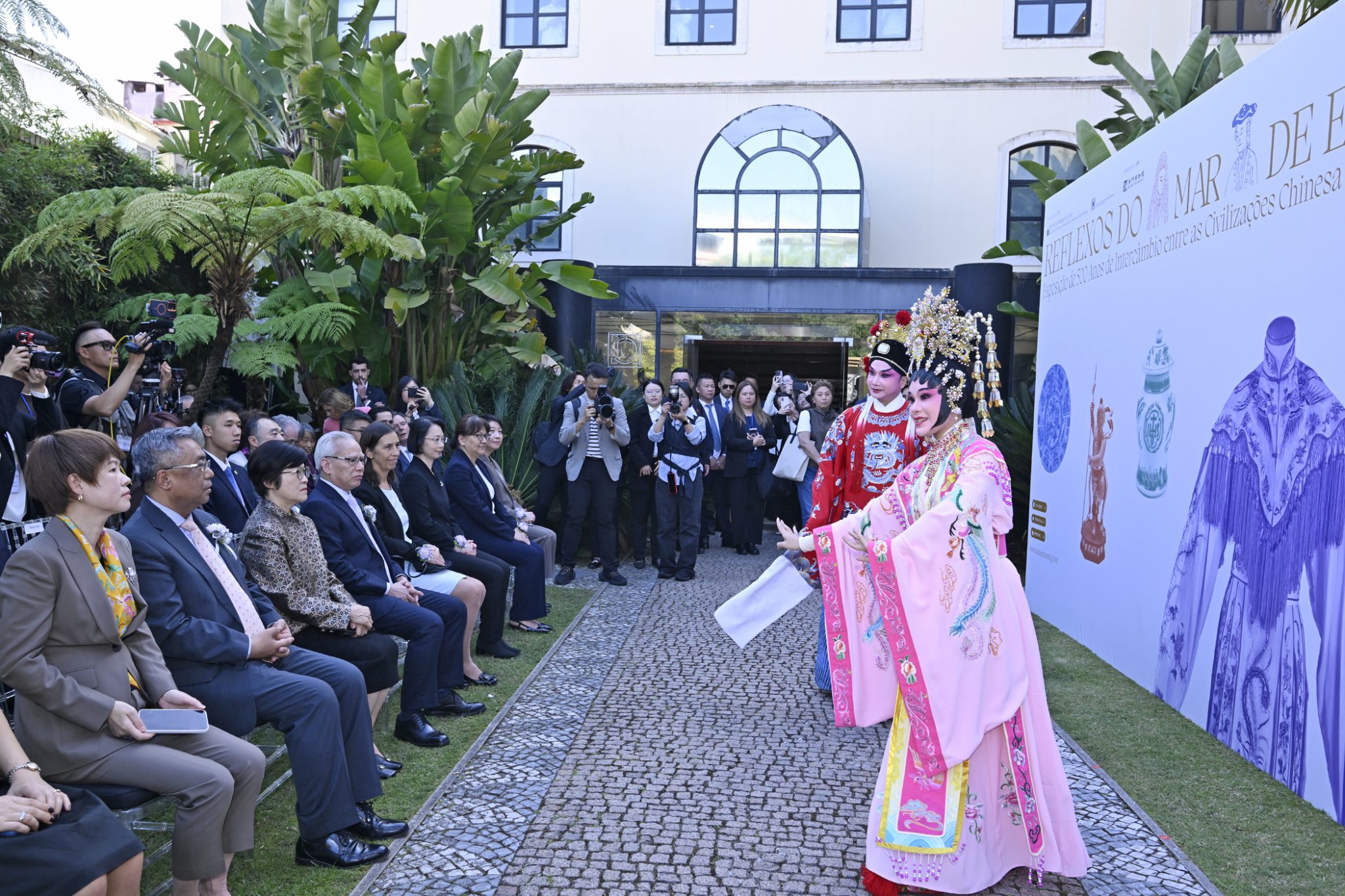
Some pending issues did not see announcements on new developments, such as a confirmed date for the protracted Macau-Portugal Joint Committee meeting, which has not been held since 2019. Issues of a more complex nature, such as the residence permit scheme for Portuguese nationals and the fugitive surrender agreement, also remain. They were, however, directly or indirectly mentioned in the statements and press conferences that followed the meetings.
Attracting talent and strengthening legal ties
In terms of human resources, Sam Hou Fai expressed hope to attract skilled professionals from Portugal and other Lusophone countries to join the MSAR’s workforce. Regarding the 7th Macau-Portugal Joint Committee meeting, the Chief Executive indicated that although a date has not yet been set, the topic was addressed with Portuguese authorities as a priority.
On the legal cooperation front, while there was no specific reference to the agreement for the surrender of fugitive offenders — signed by both sides in 2019 but yet to be ratified by the Portuguese side — Sam expressed hope for “stronger collaboration with Portugal’s Ministry of Justice, particularly in further implementing comprehensive judicial assistance arrangements between Macau and Portugal, thereby providing robust legal safeguards for bilateral economic, trade, and people-to-people exchanges.”
Economic cooperation took centre stage in the meetings, with Portuguese Prime Minister Luís Montenegro stressing that Portugal is eager to see new investments from Macau and mainland China establishing a foothold in the country. Sam emphasised that the SAR is looking forward to welcoming Portuguese companies to the city and the neighbouring Hengqin Cooperation Zone.
Leveraging the Hengqin advantage
In this respect, Carlos Cid Álvares, Chairman of the Macau Delegation of the Portugal-China Chamber of Commerce and Industry (CCILC Macau), noted to reporters that those securing an early foothold in the Hengqin Cooperation Zone are set to reap the greatest rewards.
“Companies that establish themselves first in Hengqin will benefit from a significant competitive edge, and investors can facilitate this entry via Macau,” said Carlos Cid Álvares, who also serves as CEO of local bank BNU. He spoke on the sidelines of one of the several events held by Macau’s Commerce and Investment Promotion Institute (IPIM), organised in tandem with Sam’s Lisbon and Madrid legs.
Lisbon-based business leaders emphasised the significance of the Chief Executive’s visit to Portugal. Paulo Macedo, CEO of BNU’s parent company, the Portuguese state-owned banking giant Caixa Geral de Depósitos (CGD), told Macau Business that the visit carried “special meaning.”
“Sam’s visit carries a special meaning, in line with the centuries-old special relationship between Portugal and China,” Macedo stressed, adding that in addition to being symbolic, it is also “a forward-looking step regarding future developments.”
From protocol to implementation
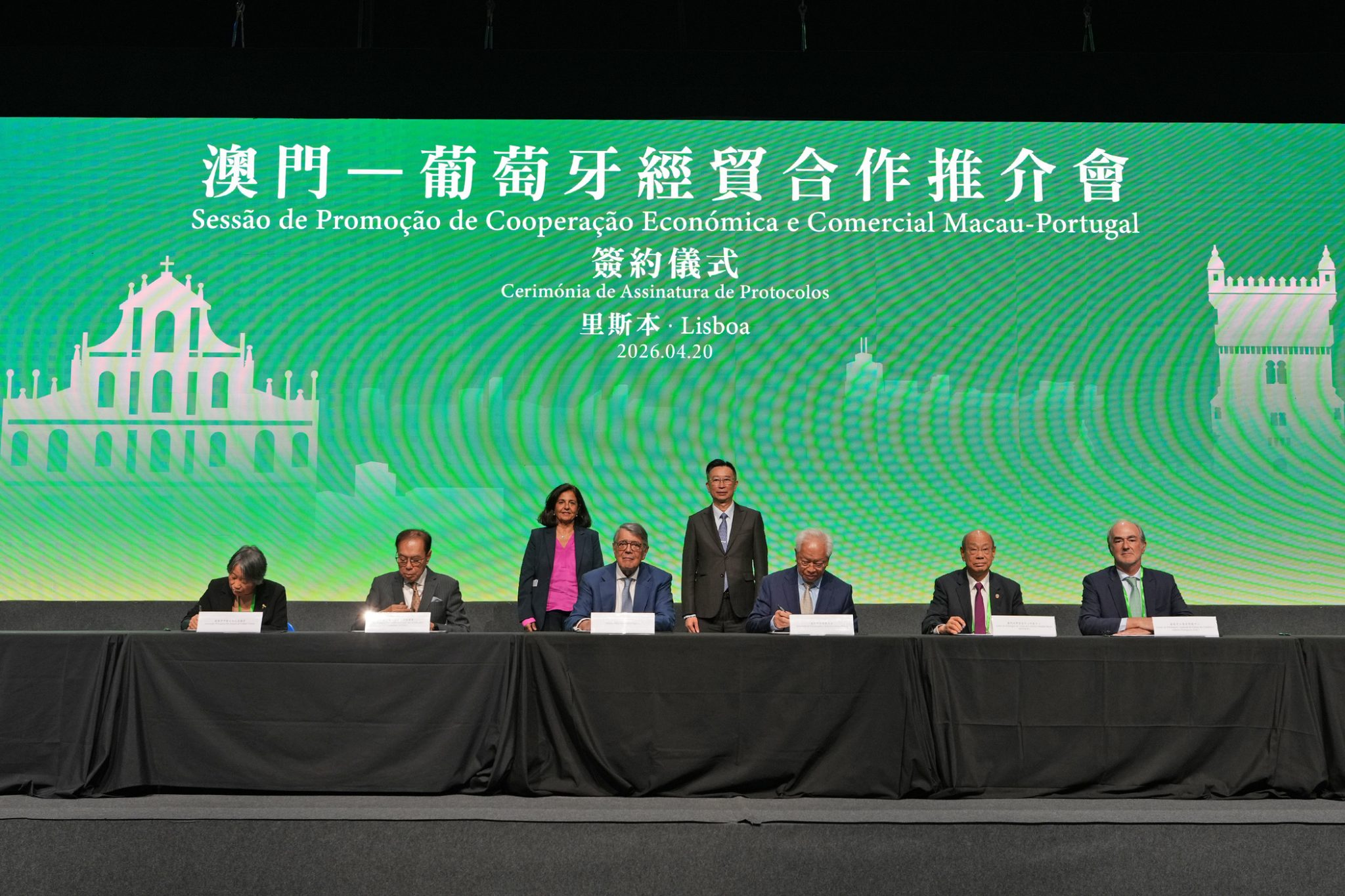
In addition to the political and diplomatic messages, the visit saw dozens of agreements and protocols signed during forums hosted by IPIM and official receptions. In Lisbon alone, 61 agreements were signed, ranging from technology, AI, robotics, and ‘big health’ to logistics, finance, education, and culture.
The IPIM-led, 120-strong business delegation comprised leaders of key companies from Macau, Hengqin, and the mainland, including several among China’s top 500 companies. Big health, high-tech, and cross-border e-commerce were the major sectors represented. IPIM President Alex Che expressed confidence that the numerous forums and business-matching events will pave the way for new investments and deals.
“We hope to see new Portuguese high-tech companies entering China’s market,” Che said. A key challenge now is to translate the positive tone of the official meetings and the numerous protocols into new business ventures and government cooperation projects. Sam Hou Fai addressed this by pledging that, feconomic
Opening new paths in Madrid
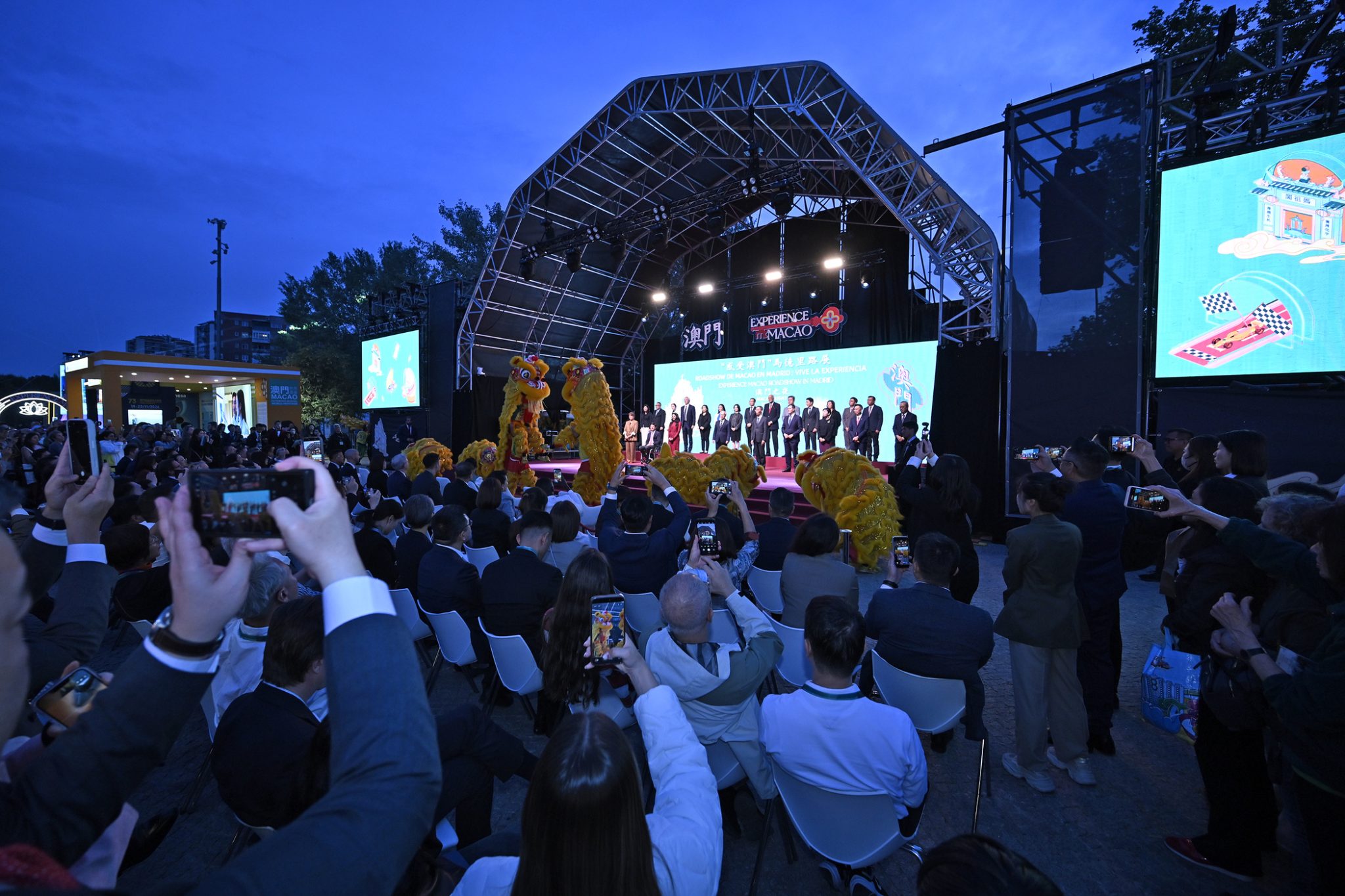
Hours after meeting with the Portuguese President and Prime Minister, Sam took the short 500 km flight to the Spanish capital, arriving just in time to attend the “Macau Night” event that capped the five-day ‘Experience Macao’ roadshow.
While the visit to Lisbon focused on building upon a centuries-old special relationship, in Madrid the Macau delegation was opening a new path of cooperation with the other – and larger – Iberian nation. The momentum in China-Spain relations – with Spanish Prime Minister Pedro Sánchez paying four visits to China in four years – set the stage for Sam’s meetings. Key messages were exchanged during discussions with Spain’s Second Deputy Prime Minister and Minister for Labour and Social Economy, the Minister for Foreign Affairs, European Union and Cooperation, and the Second Vice President of the Senate.
Representatives from the Spanish business community attending the IPIM-hosted Macau-Spain trade cooperation promotion session believe this is a fortunate juncture to boost ties. Geopolitically, “Spain has been able to free itself from the constraints put by the United States on its foreign policy,” notes Carlos Vélez, President of the China-Spain Business Association. “I am very hopeful regarding the future development of Spain-China relations,” he told Macau Business.
A dual gateway for the Ibero-American world
If Portugal is a gateway for Lusophone Africa and Brazil, Spain plays a mirror role for Hispanic Latin America. The expansion of Macau’s Lusophone platform to the Spanish-speaking world was a key takeaway from Sam’s visit to Madrid.
A first step proposed by the Chief Executive involves broadening the scope of the Lisbon-based Macau Economic and Trade Delegation to include Spain.
Raúl Ramírez, a historian, expert in Spain-China relations, and professor at Rey Juan Carlos University, told Macau Business that bundling the Iberian countries and their respective Portuguese and Spanish-speaking nations makes perfect sense. He noted that, historically, “Macau is no stranger to the Hispanic world.” Professor Ramírez argued that Spanish-speaking countries, together with the Lusophone world, should “articulate a common approach to China,” stressing: “We share very close language and cultural values, and Macau is the perfect node for that.”
There was a sense of both familiarity and novelty in the exchanges at the business promotion sessions. In addition to IPIM, the newly launched Hengqin-based Service Centre for Economy and Trade between China and Portuguese/Spanish-speaking Countries (CECPS) played a key role in promoting the neighbouring cooperation zone’s business incentives.
The cooperation protocols and memorandums of understanding signed in Spain – 48 in total, on top of the 61 inked in Portugal – involved a wide range of areas, including green industries, technology, tourism, hospitality, health, pharmaceuticals, food and beverage, traditional Chinese medicine, biotechnology, new energy, MICE, trade, and market expansion.
“Macau is still relatively unknown to the Spanish business community,” Vélez acknowledged, “but through these events, I believe we will forge synergies to cooperate in tourism, e-commerce, technology, and culture. I see plenty of opportunities.”


